Common Google Ads Mistakes IT Providers Make


Common Google Ads Mistakes IT Providers Make
Google Ads remains one of the fastest ways for IT providers to generate demand. Whether you're selling managed IT services, cybersecurity solutions, cloud consulting, or software development, prospects are actively searching for providers every day.
Yet many IT companies struggle to turn ad spend into predictable revenue. The problem is rarely traffic volume. More often, it's a mismatch between campaign strategy, buyer intent, and the systems used to convert interest into opportunities.
As search behavior evolves and acquisition costs continue to rise, AI marketing for tech services is helping providers move beyond campaign management and build more efficient growth engines.
Why IT Companies Often Struggle with Google Ads
Most IT purchases involve lengthy evaluation cycles and multiple stakeholders.
A prospect may click an ad today, review your website, compare competitors, consume technical content, attend a webinar, and only engage with sales weeks later. According to Gartner, B2B buying groups often include six to ten decision-makers, each researching solutions independently.
This creates a common challenge. Marketing teams optimize for leads, while leadership cares about revenue. The gap between those two metrics is where many Google Ads strategies break down.
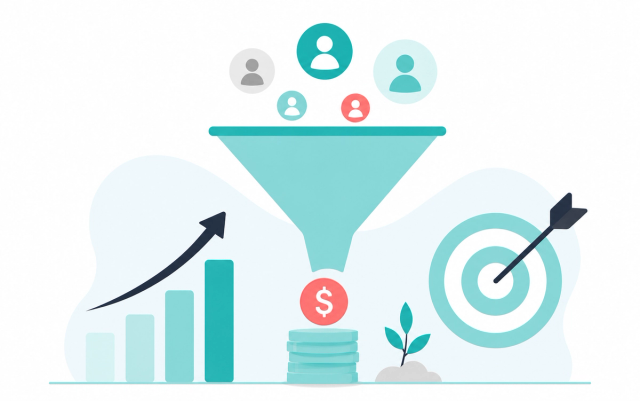
The strongest campaigns aren't designed to generate the most clicks. They're designed to generate the highest concentration of qualified buying opportunities.
The Common Google Ads Mistakes IT Providers Make
Prioritizing Search Volume Over Buying Intent
One of the most expensive mistakes IT providers make is targeting broad, high-volume keywords.
Terms like "IT services," "cloud solutions," or "cybersecurity company" may generate traffic, but they often attract users who are still researching.
High-performing campaigns focus on intent-rich searches tied to a business challenge or specific need. Searches such as "managed IT services for healthcare practices" or "SOC 2 compliance consulting" typically signal stronger commercial intent and a shorter path to conversion.
As AI-powered search becomes more conversational, these highly specific queries are becoming increasingly valuable.
Sending Every Visitor to the Same Landing Page
Many campaigns drive traffic to a generic services page regardless of the search term.
This creates friction.
Someone searching for ransomware protection expects to see expertise, case studies, and solutions related to ransomware protection, not a broad overview of IT services. The closer the landing page aligns with the search intent, the more likely the visitor is to engage.
Relevance remains one of the most overlooked conversion levers in paid search.
Measuring Cost Per Lead Instead of Lead Quality
A low cost per lead can create a false sense of success.
The metric that matters is whether those leads become pipeline and revenue.
Many IT providers generate inquiries from businesses that are too small, outside their ideal market, or not actively looking to buy. Without qualification frameworks, marketing teams often optimize for volume while sales teams struggle with lead quality.
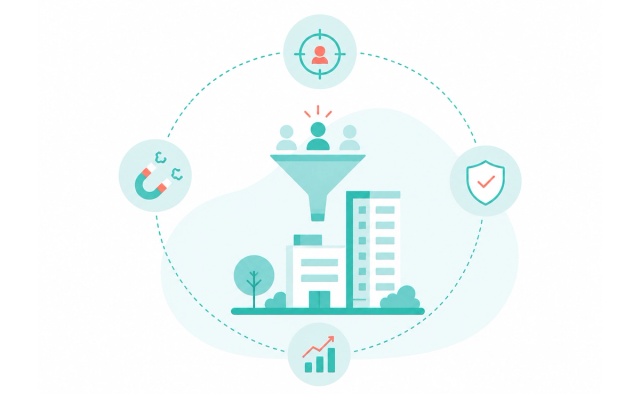
This is where predictive lead scoring and AI-driven qualification create a measurable advantage.
Treating Google Ads as a Standalone Channel
Buyers don't experience marketing in silos.
A prospect may discover your company through Google Ads, return through organic search, engage with LinkedIn content, and convert after multiple interactions.
When attribution is limited to last-click reporting, Google Ads often appears less effective than it actually is. Modern customer acquisition requires visibility across the full journey, not just the first or final touchpoint.
Performance Signals Hidden in Customer Data
Most IT providers already have valuable data inside their CRM, website analytics, and sales conversations.
The challenge is turning that information into action.
Patterns around deal size, industry, content engagement, and buying behavior can reveal which audiences are most likely to convert. Yet many campaigns continue targeting broad audiences because those insights never make their way back into advertising strategy.
The result is unnecessary spend and missed growth opportunities.
How AI Marketing Improves Tech Services
The most effective IT marketing teams are moving beyond manual campaign optimization.
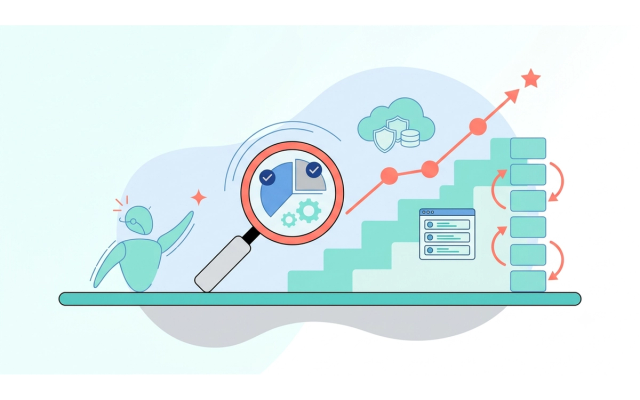
With AI marketing for tech services, businesses can combine advertising performance, CRM data, buyer behavior, and conversion outcomes to make smarter decisions across the funnel.
Instead of simply reporting what happened, AI systems help identify which prospects are most likely to convert, where budget should be allocated, and which campaigns are generating revenue rather than activity.
This shift from campaign management to predictive growth management is becoming a major competitive advantage.
Platforms like SproutMe help businesses connect paid media, lead qualification, attribution, and conversion optimization into a single growth system. The outcome is greater visibility into what actually drives customer acquisition and revenue.
Conclusion
Google Ads remains one of the most effective channels for IT providers, but success depends on more than launching campaigns and monitoring clicks.
The biggest mistakes usually stem from broad targeting, weak landing page alignment, poor lead qualification, and limited visibility into the customer journey.
By adopting AI marketing for tech services, providers can improve lead quality, reduce wasted spend, and create scalable acquisition systems built for both traditional search and emerging AI-driven discovery platforms.
As buyers increasingly use AI tools to research vendors and evaluate solutions, firms that combine paid media expertise with intelligent marketing execution will be best positioned for long-term growth.
Clicks Aren't Revenue. Here's Why
If your campaigns are producing traffic but sales opportunities remain inconsistent, the issue may not be your budget. It may be the lack of a connected growth system that aligns advertising, lead qualification, and conversion optimization.
Discover how SproutMe helps IT providers build AI-powered customer acquisition systems that improve lead quality, maximize marketing efficiency, and increase visibility across both search engines and AI-driven search experiences.
Frequently Asked Questions
Poor-quality leads are usually caused by broad keyword targeting, weak audience qualification, and campaign optimization focused on lead volume rather than buyer intent.
Keywords tied to specific business problems, industries, compliance requirements, or solution outcomes typically generate stronger commercial intent than broad technology terms.
AI can identify high-intent prospects, improve lead scoring, optimize budget allocation, and uncover conversion patterns that are difficult to detect through manual analysis.
Most B2B technology purchases involve multiple touchpoints before conversion. Full-funnel tracking helps businesses understand which marketing activities influence pipeline and revenue.
Buyers increasingly use conversational searches and AI assistants to research solutions. Campaigns and landing pages should align with these more detailed, intent-driven queries to remain competitive.

Get a complimentary audit to uncover AI opportunities hidden in your data.
Put these strategies to work