Why LinkedIn Ads Feel Expensive but Still Win for B2B Tech

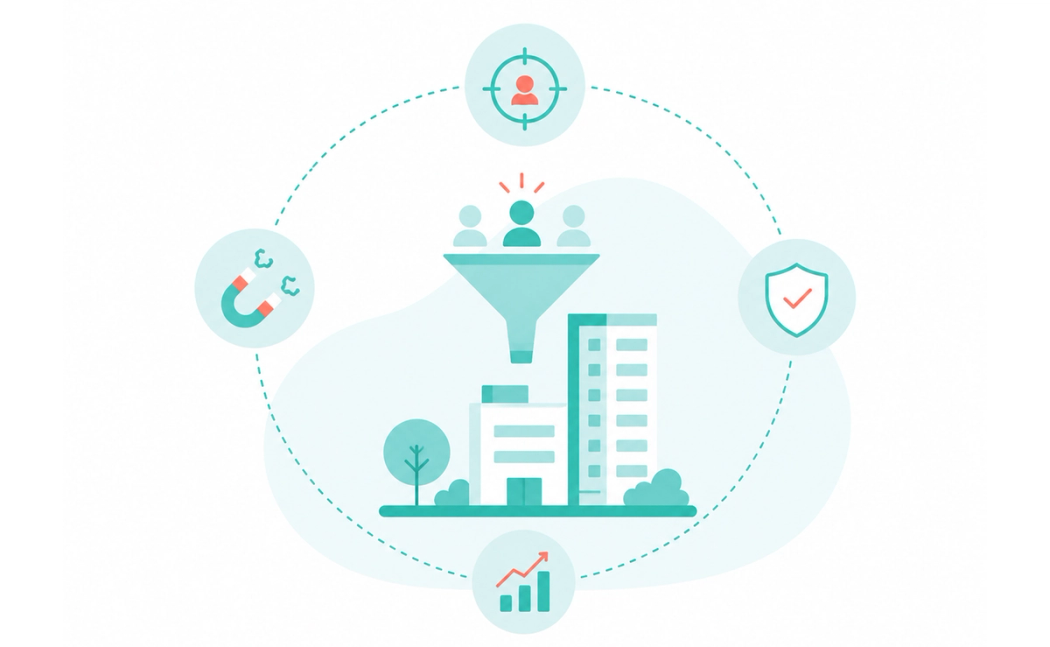
Most B2B founders eventually reach the same conclusion after launching LinkedIn campaigns: the platform feels expensive compared to almost every other paid channel.
CPCs are higher. CPMs are higher. Cost per lead often looks worse than Meta or Google Display. On the surface, LinkedIn can appear inefficient, especially for companies used to performance marketing benchmarks built around low-cost traffic.
Yet many B2B tech companies continue increasing LinkedIn budgets year after year. The reason is simple. LinkedIn rarely wins on cheap acquisition. It wins on pipeline quality. That distinction matters more in B2B tech than most businesses realize.
Enterprise software, cybersecurity, AI platforms, SaaS infrastructure, and high-ticket B2B services operate in longer buying cycles with multiple decision-makers involved. A low-cost lead means very little if the prospect never converts into qualified pipeline or revenue.
This is where an automated ai ads agency shifts the conversation away from vanity metrics and toward full-funnel acquisition efficiency.
LinkedIn’s Cost Structure Reflects Buyer Intent
LinkedIn inventory is expensive because the platform sits closer to professional intent than traditional social advertising environments.
Users are categorized by:
- Job title
- Seniority
- Industry
- Company size
- Skills
- Hiring activity
- Professional interests
That level of targeting precision is difficult to replicate elsewhere.
For B2B tech companies selling into niche decision-maker groups, this creates a major strategic advantage. A company selling AI workflow automation to operations leaders or cybersecurity software to enterprise IT teams can narrow targeting with far greater accuracy than most platforms allow.
According to LinkedIn Marketing Benchmark Data, LinkedIn campaigns often generate stronger B2B engagement quality despite higher upfront acquisition costs. The problem is that many companies still evaluate LinkedIn using ecommerce-style performance metrics.
LinkedIn is not designed to optimize for impulse conversions. It performs best when measured through:
- Sales-qualified leads
- Meeting conversion rates
- Pipeline influence
- Enterprise opportunity creation
- Revenue attribution
The companies seeing strong LinkedIn performance usually understand this early. The ones disappointed by the platform often expect immediate direct-response outcomes from complex B2B buying journeys.
B2B Teams Undervalue LinkedIn's Funnel Role
One of LinkedIn’s biggest challenges is attribution visibility. Many buyers do not convert immediately after clicking an ad. Instead, LinkedIn often influences awareness and consideration stages before the conversion happens elsewhere.
A typical journey may look like this:
A decision-maker sees a LinkedIn ad, engages with founder content, revisits the company website later through branded search, reads comparison articles, attends a webinar, and finally books a demo weeks later.
In many attribution models, Google Search receives the final conversion credit while LinkedIn appears underperforming despite influencing the buying journey early on. This gap becomes even more important as AI-assisted search behavior grows.
When buyers ask AI engines or large language models questions like:
- “Best AI sales enablement platform for SaaS teams”
- “Top cybersecurity tools for healthcare organizations”
- “Best project management software for enterprise operations”
The systems evaluate more than keyword rankings.
They assess:
- Brand mentions
- Thought leadership visibility
- Comparative content
- Reviews and sentiment
- Cross-platform authority signals
- Industry credibility
That shift changes how B2B visibility works.
LinkedIn increasingly contributes to these trust signals because executive visibility, employee advocacy, founder content, podcasts, webinars, and professional engagement now shape how brands are interpreted across AI-driven discovery systems.
An experienced AI marketing agency understands that paid media no longer operates independently from search visibility, authority building, and AI discoverability.
LinkedIn Fits Full-Funnel Growth Systems
The strongest LinkedIn advertisers rarely rely on the platform alone.
They combine LinkedIn with:
- High-intent Google Search campaigns
- Retargeting sequences
- Founder-led content
- CRM enrichment
- Email nurture systems
- AI-assisted attribution tracking
- Revenue-based reporting
This is where many B2B companies struggle.
They launch lead-generation campaigns without connecting messaging, audience qualification, and attribution across the broader funnel. As a result, LinkedIn feels expensive because the surrounding conversion system is weak.
For example, a prospect may click a LinkedIn ad but convert later after:
- Reading comparison pages
- Watching webinar clips
- Seeing retargeting campaigns
- Researching the brand through AI search tools
- Evaluating reviews and case studies
Without integrated tracking, the platform appears overpriced even when it is heavily influencing pipeline creation.
According to HubSpot Marketing Statistics, B2B buyers engage with multiple content touchpoints before speaking with sales teams, reinforcing the importance of multi-touch acquisition systems.
The companies scaling efficiently in 2026 are not optimizing for isolated conversions anymore. They are optimizing for revenue influence across the entire buying journey.
The Real Problem Usually Isn’t Cost
Most B2B companies do not actually have a LinkedIn cost problem. They have a qualification and positioning problem.
Weak messaging, broad targeting, poor offers, and disconnected nurture systems create inefficient acquisition regardless of channel. LinkedIn simply exposes those weaknesses faster because traffic costs are higher.
That is why mature B2B growth teams focus heavily on:
- Audience segmentation
- Message-market fit
- Pipeline attribution
- Sales feedback loops
- Predictive lead scoring
- Revenue reporting accuracy
Once those systems improve, LinkedIn economics often become significantly more sustainable than cheaper channels producing low-intent traffic. In B2B tech, quality compounds faster than volume.
Conclusion
LinkedIn Ads feel expensive because many businesses evaluate them using shallow performance metrics. B2B acquisition is no longer about generating the cheapest clicks. It is about building predictable pipeline growth through stronger targeting, better attribution, and higher-quality buyer intent.
As AI-driven search and multi-touch buying behavior continue evolving, LinkedIn’s role in shaping authority, trust, and professional visibility will only become more important.
Working with an automated Ai ads agency helps businesses connect paid media, AI discoverability, attribution systems, and revenue-focused optimization into a unified growth engine. The companies winning in B2B tech are not necessarily buying the cheapest traffic. They are building the most efficient path from visibility to qualified revenue.
Frequently Asked Questions
LinkedIn offers highly detailed professional targeting based on job titles, industries, company size, and seniority. That audience precision increases advertising costs but often improves lead quality for B2B companies.
Yes. LinkedIn performs particularly well for B2B SaaS, enterprise software, cybersecurity, AI platforms, and high-ticket services where customer lifetime value is significantly higher.
LinkedIn contributes to authority signals such as thought leadership, brand mentions, executive visibility, and professional engagement, which increasingly influence AI-driven discovery systems.
The most important metrics are sales-qualified leads, pipeline contribution, meeting conversion rates, revenue attribution, and customer acquisition efficiency rather than low CPCs alone.
An automated AI ads agency combines AI-powered optimization, attribution modeling, predictive reporting, CRM integration, and full-funnel campaign execution to improve acquisition efficiency and revenue growth.

Get a complimentary audit to uncover AI opportunities hidden in your data.
Put these strategies to work