How Marketing Agencies Can Grow in the AI Era

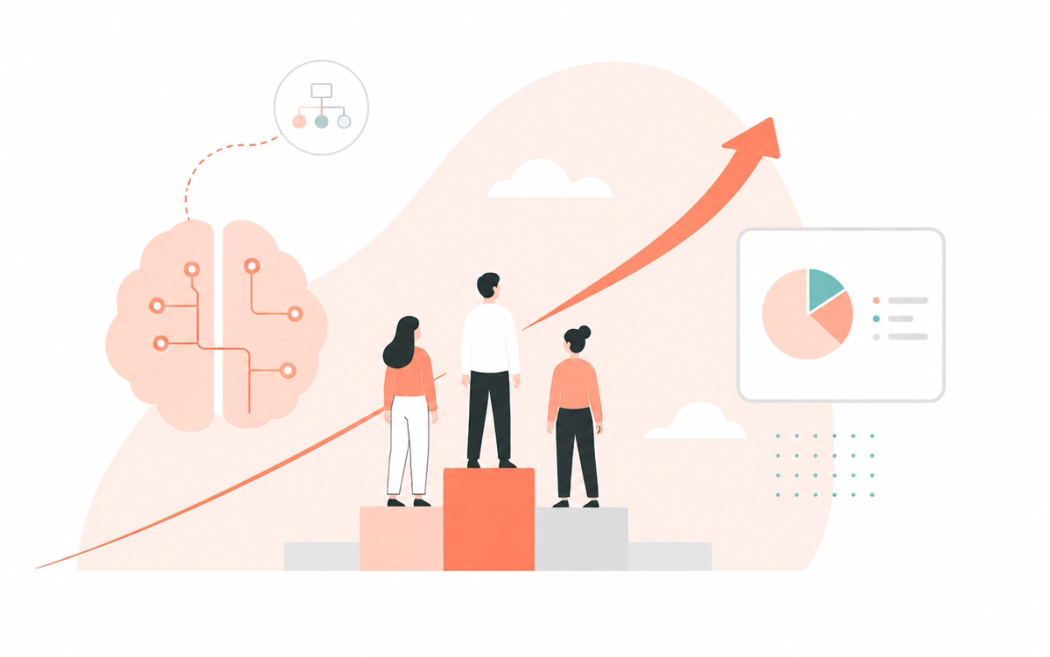
For decades, agencies have been sized based on sales of hours, whether that be writing copy, doing reporting, building out campaigns. And now that system is coming undone. According to the 2025 CMO Spend Survey, 39% of CMOs plan to cut budgets for agencies in 2025, and 22% have already used generative AI to reduce dependence on agencies for both creative and strategic work. Analyst at Forrester, Jay Pattisall reported the average reduction in agency staffing in 2025 will be 8%, and another 15% in 2026.
This is not a recession. This is a reset, and the agencies that survive in three years will not resemble those running today.
Survival Splits Into Three Camps.
Three main models emerge for the future.
- The specialists: Specialty-focused businesses in domains such as pharmaceuticals regulations compliance or B2B SaaS, whose advantage lies in deep domain expertise that cannot be replaced by people count.
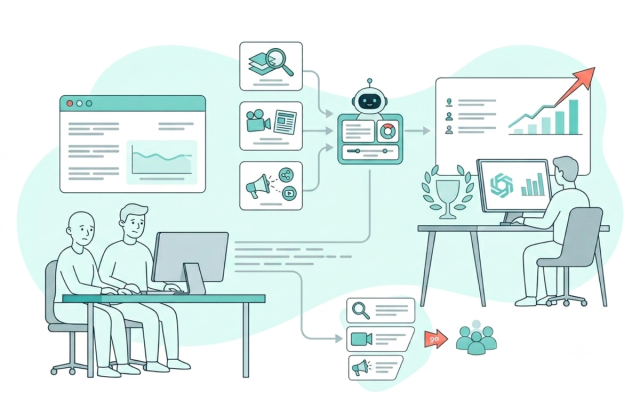
- The AI-enabled generalists: Firms that built their business model around agentic workflows and restructured their costing around them, thus selling themselves for less than before yet earning greater margins, and keeping humans in the role of guiding their activities.
- The transformation partners: Consultative businesses which no longer run advertising campaigns but offer clients AI enablement mainly development and maintenance of their AI capabilities.
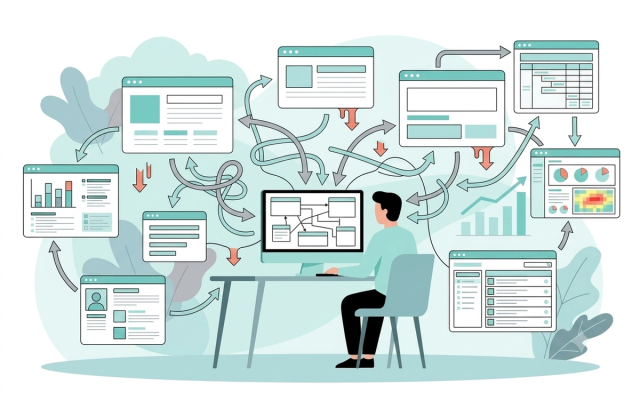
Content shops, media buyers who do not measure anything, and strategy shops will not survive, as will hourly rates that were part of their legacy business model. Forrester says agency pricing is shifting away from hourly billing. Agencies are moving to fixed fees, product pricing, or pay-for-outcomes instead. Labor-based pricing just doesn't work anymore. At the same time, agencies are becoming principal media players. That means they buy media inventory and resell it directly to clients. According to Forrester, principal media alone will represent almost a third of agency revenues by 2026.
Refusing to Automate is Slow Bankruptcy.
- Cost:A competitor running AI-native workflows can cut labor hours and overhead far enough to beat a legacy shop's deliverables. This gap will compound over time creating lean, tech-fluent agencies that grow revenue without growing headcount.
- Automation:Tasks agencies have historically marked up routine copywriting, standard reporting, manual media-buying mechanics now run near instantly at negligible marginal cost. OpenAI CEO Sam Altman has publicly predicted that AI will eventually handle 95% of what marketers currently pay agencies, strategists, and creatives for. A 2025 Typeface survey found 60% of senior marketing leaders had already cut agency spend directly because of AI.
- Advertising Platforms are routing around agencies. Google and Meta keep pushing autonomous optimization directly into their ad platforms, and clients now run their own AI audits of agency accounts, surfacing dead ad accounts and thin reporting in minutes.
Build AI Into the Business.
Making it through such a transformation involves moving into the era of AI-first. In that era, AI is the operating system. It’s not a shortcut for tasks done by hand.
- AI-first companies charge for systems, not hours. For example: a self-improving content engine that gets better with every campaign and a predictive client-acquisition platform that flags leads before a pitch call.
- Hourly charging penalizes a company when it moves faster. A team that moves faster earns less under an hourly model. Forrester’s 2026 agency predictions back this up. They forecast the same shift: result-based and product-based billing is displacing hourly billing.
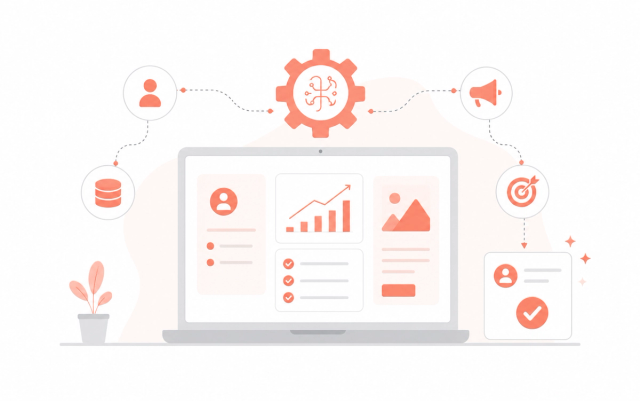
- Connect CRMs to AI APIs (like OpenAI, Anthropic) via automation platforms like Zapier and Make. Competitive and audience intelligence can then run automatically, before a contract gets signed.
- Old platform-specific skills are less important now than adaptability. AI native agencies are creating new roles to match: AI operations specialist, data intelligence analyst, automation experience designer.
What to Do About It This Quarter
- Reposition as an implementation partner, not an execution vendor. Routine work, copy, basic design, small campaign management, is moving in-house fast. The agencies holding revenue are auditing and integrating client martech. They’re integrating CDPs and conversational AI. They’ve stopped pitching deliverables.
- Kill hourly billing before a client asks you to. Pattisall frames it directly: agencies still charging for time instead of solutions are negotiating from a position that's already gone. Tie pricing to CPA, qualified leads, or revenue instead.
- Rebuild the team around AI-augmented humans. Let AI run mass production and real-time bid optimization. Keep people on judgement. AdExchanger's 2025 reporting keeps on showing that AI can match a message to a person, but it still takes a human to judge what the message should say and whether it fits the brand.
- Specialize before you get commoditized. Generalist shops are the most exposed. Vertical expertise is what keeps a seat at the table, the kind a client can’t get from a general-purpose model.
Conclusion
Building AI into the business is not one project. It touches billing, staffing, and positioning at once. The system replaces the hour, humans move to judgment, and the generalist gives way to the specialist. Agencies that make all three moves will look different within a year. Agencies that only automate tasks will keep pitching deliverables. They’ll lose the pitch to an agency that already made the shift.

Get a complimentary audit to uncover AI opportunities hidden in your data.
Put these strategies to work