How to Optimize for AI Mentions with Generative Engine Optimization (GEO)

Search visibility is changing faster than most brands realize. For years, digital marketing revolved around one goal: ranking higher on Google. But today, users increasingly rely on AI-powered platforms like ChatGPT, Google Gemini, Perplexity, and Google AI Overviews to get direct answers without browsing through search results at all.
That shift is quietly reshaping how businesses get discovered online.
TL;DR
- AI-powered search is replacing traditional click-through discovery for millions of users
- Generative Engine Optimization (GEO) helps brands appear inside AI-generated answers, not just rankings
- Strong SEO fundamentals, entity clarity, and extractable content are the core pillars of GEO
- Visibility across Reddit, YouTube, LinkedIn, and review platforms now influences AI citations directly
What Is Generative Engine Optimization (GEO)?
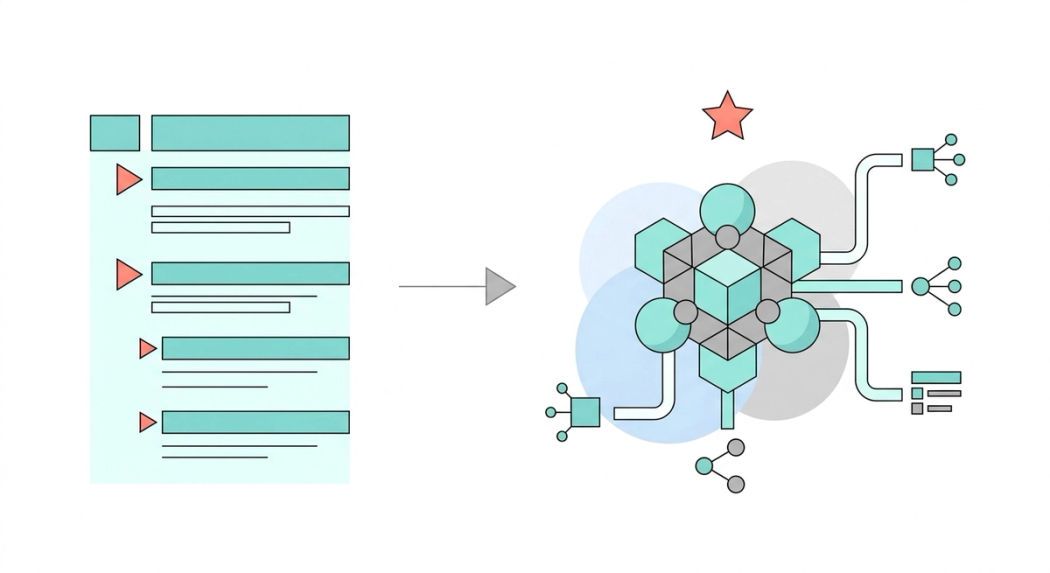
Generative Engine Optimization (GEO) is the process of optimizing your content, brand presence, and digital authority so AI systems can understand your business clearly, trust your expertise, and reference your brand in their generated answers.
Unlike traditional SEO, GEO focuses less on rankings alone and more on becoming part of the AI response itself. In many ways, GEO is less about "winning clicks" and more about "winning mentions" across platforms like ChatGPT, Google AI Overviews, Gemini, Perplexity, and other conversational search tools.
That distinction matters because AI-generated search works differently from traditional search engines. It doesn't just surface links it synthesizes answers. Brands that aren't part of those answers are effectively invisible to a growing segment of users.
How GEO Differs from Traditional SEO
Traditional SEO helps pages rank higher in search engine results. GEO helps brands appear inside AI-generated answers. While both disciplines overlap and share foundational principles, the optimization approach changes significantly.
Traditional SEO still matters strong technical foundations, authoritative content, and site structure remain essential. But GEO introduces an additional layer: making your expertise easy for AI systems to retrieve, understand, and reference with confidence.
The 5 Principles Behind AI Visibility
Brands that appear consistently in AI-generated answers tend to share a set of common characteristics. These aren't hacks or shortcuts they're foundational practices that build long-term AI visibility.
1. SEO Fundamentals Still Power GEO
One of the biggest misconceptions about GEO is that traditional SEO no longer matters. In reality, GEO builds directly on strong SEO foundations it doesn't replace them.
AI systems still rely on accessible, trustworthy, and technically optimized content. If your website has poor crawlability, weak content structure, or limited authority signals, AI systems may struggle to retrieve and trust your information. Specifically, AI systems need:
- Crawlable content with a clear site structure
- Fast-loading, mobile-friendly pages
- Consistent indexing across your domain
At the same time, EEAT principles Experience, Expertise, Authoritativeness, and Trustworthiness play an even larger role in AI-driven visibility than in traditional SEO. AI systems are more likely to reference content that demonstrates real expertise, clear authorship, accurate information, and credible sourcing. GEO does not replace SEO. It expands it.
2. Entity Clarity Helps AI Understand Your Brand
AI systems don't just scan keywords they try to understand entities and relationships. An entity can be a brand, a product, a person, a category, a location, or a service. The clearer your brand identity is across the web, the easier it becomes for AI systems to understand what your business actually does.
If your company appears differently across your website, LinkedIn, review platforms, directories, and social channels, AI systems may struggle to confidently categorize your brand. Strong entity clarity comes from consistency. Your business description, service positioning, expertise areas, and brand messaging should align across platforms so AI systems can reliably interpret:
- What your company offers and what industry you belong to
- What topics you're authoritative for
- How your brand relates to adjacent products and services
This is why structured information, schema markup, business profiles, and consistent branding all matter for GEO not just for humans, but for the AI systems reading you.
3. Content Must Be Easy for AI Systems to Extract
One of the most important concepts in GEO is extractability. AI systems don't read pages the way humans do they retrieve specific sections, paragraphs, and passages when generating responses. That means your content must make sense even when pulled independently from the full article.
Vague paragraphs like "This strategy works really well for many businesses" provide almost no standalone value to an AI system. But a self-contained sentence like "Generative Engine Optimization helps brands improve visibility inside AI-generated answers by making content easier for AI systems to retrieve, interpret, and reference" is far more likely to be cited.
Content becomes easier for AI systems to extract when it includes:
- Clear explanations and direct answers up front
- Structured headings that signal topic boundaries
- Fact-based, self-contained statements that hold meaning out of context
This is one reason modern GEO content tends to feel more structured, educational, and information-dense not because it's keyword-stuffed, but because every paragraph is designed to stand on its own.
4. AI Visibility Extends Beyond Your Website
Traditional SEO focused heavily on owned assets like websites and blogs. GEO requires thinking beyond them.
AI systems gather information from multiple sources when forming answers including Reddit discussions, YouTube videos, LinkedIn articles, industry publications, review sites, podcasts, and news mentions. Your overall digital presence now matters as much as your website. Brands that appear consistently across trusted platforms create stronger authority signals for AI systems.
A detailed YouTube tutorial demonstrates expertise. Positive reviews build trust. Industry mentions reinforce credibility. Community discussions strengthen relevance. AI systems cross-reference these signals to assess how trustworthy and relevant your brand is within a specific topic area.
That's why effective GEO increasingly overlaps with PR, content marketing, brand strategy, community engagement, and thought leadership not just on-page optimization.
5. GEO Requires New Visibility Metrics
Traditional SEO metrics like rankings and organic traffic only tell part of the story now. AI search introduces a new layer of visibility that most analytics dashboards don't yet capture.
Brands increasingly need to track how often they're mentioned in AI-generated responses, how frequently they're cited across different platforms, and what sentiment surrounds those mentions. The question is shifting from "Did someone click?" to "Was your brand included in the answer?" because users may discover your business through an AI recommendation without ever visiting your site directly.
Metrics worth tracking include AI mention frequency, citation share of voice across platforms, sentiment in AI-generated responses, and brand references across ChatGPT, Perplexity, and Gemini.
What GEO Doesn't Guarantee
One important reality about GEO is that AI-generated responses are inherently dynamic. Visibility can fluctuate depending on the user's prompt, AI model updates, search intent, and source availability at the time of the query. There is no permanent "#1 ranking" equivalent in AI-generated search.
GEO should be viewed as a long-term visibility strategy one focused on improving the probability of being referenced consistently, not guaranteeing a fixed position. Brands that build genuine authority, clarity, and multi-platform presence tend to appear more consistently over time, even as AI models evolve.
Conclusion
Generative Engine Optimization is quickly becoming one of the most important evolutions in digital marketing. As AI-powered search reshapes how users discover information, brands must optimize not only for rankings and clicks, but also for AI mentions, citations, and visibility within generated answers.
An experienced AI-automated SEO agency can help businesses combine traditional SEO foundations with modern GEO strategies designed for AI-driven search ecosystems. The future of search belongs to brands that are easy for AI systems to understand, trust, and reference.
Frequently Asked Questions
GEO is the process of optimizing content and digital presence so AI-powered search systems can understand, trust, and reference your brand in generated answers.
SEO focuses on search rankings and traffic, while GEO focuses on AI mentions, citations, and visibility inside AI-generated responses. Both are complementary, not competing.
Users increasingly rely on AI-generated answers instead of traditional search results, making AI visibility critical for modern brands who want to be discovered at the point of recommendation.
No. GEO builds on traditional SEO foundations and works alongside it. Strong technical SEO remains a prerequisite for effective GEO.
Any business relying on online visibility can benefit including agencies, SaaS companies, ecommerce brands, local businesses, healthcare providers, and service-based companies.




Get a complimentary audit to uncover AI opportunities hidden in your data.
Put these strategies to work